Why bed rest doesn't help low back pain
In acute low back pain, staying still delays recovery. Here is what current guidelines recommend, and what to do in the first 72 hours.
Read article →I hold degrees in both physiotherapy and psychology from Yeditepe University. As a sports physiotherapist working with national-team and Olympic athletes, I work on pain, injury and performance — and as a psychologist I address the mental side of those same processes.
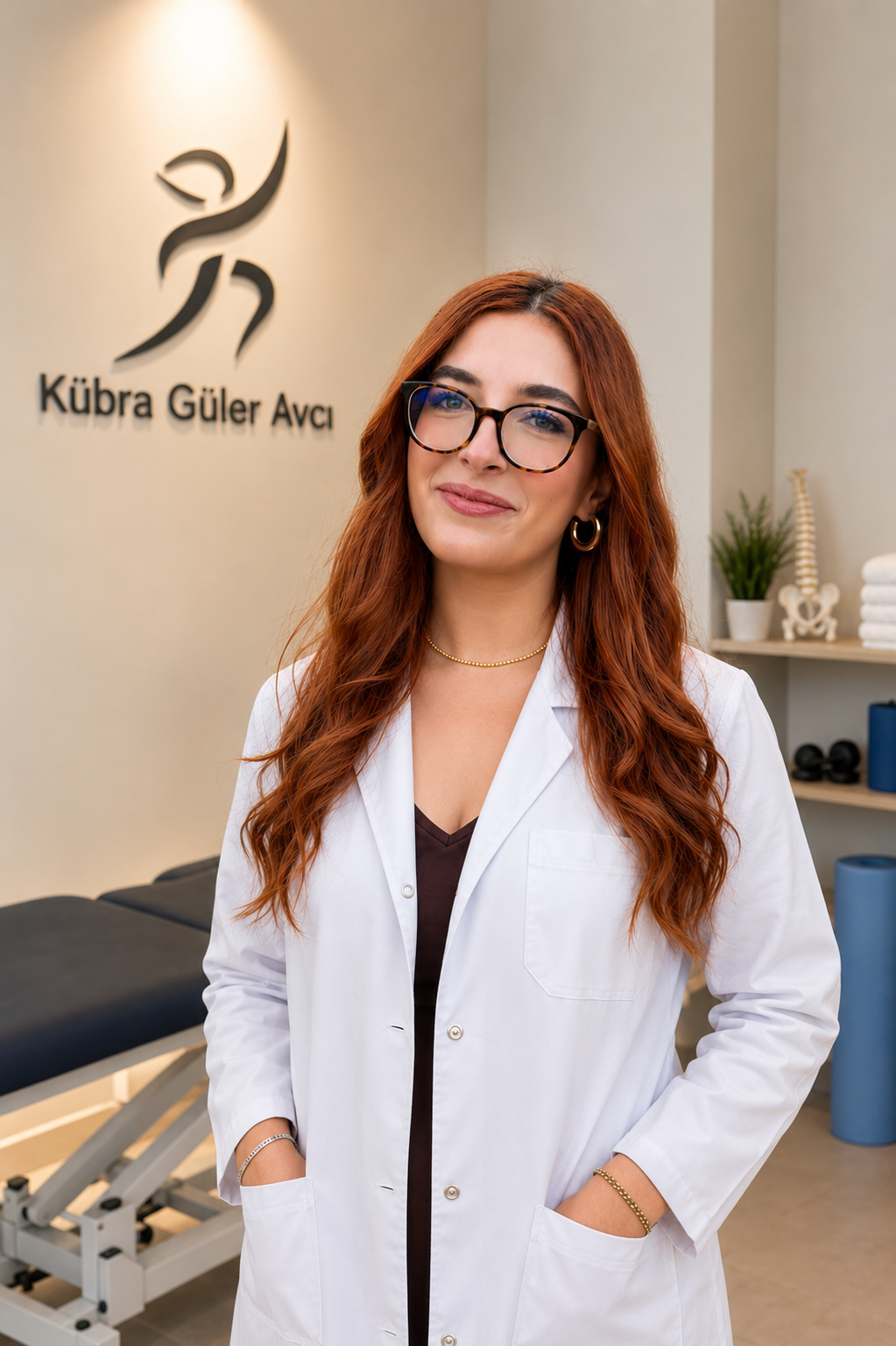
Detailed assessment to find the source of pain, hands-on treatment and an exercise programme built around you.
Psychological counselling in a safe, non-judgemental space; mentoring and performance support for athletes.
Every programme is planned individually after a detailed physiotherapy assessment and updated with regular re-testing. Sports health is my primary field.
Return-to-sport programmes, strength and balance testing, and reducing re-injury risk — informed by work with national-team and Olympic athletes.
Post-operative care, fractures, meniscus injuries, shoulder impingement and low back or neck pain — restoring function step by step.
Joint mobilisation, soft tissue work, Graston technique and myofascial release to reduce pain and restore range of motion.
Graded loading for persistent pain, reducing fear of movement and rebuilding day-to-day capacity.
Core stabilisation for postural problems and chronic pain — one-to-one, under physiotherapist supervision.
A individually designed, goal-directed exercise programme built after assessment and updated with regular re-testing.
Stroke, MS and peripheral nerve injury — balance, gait and activities of daily living, informed by inpatient neuro-rehabilitation experience.
Exercise programming for teams and group sessions; shared-goal planning with pitch-side follow-up.
Sessions are one-to-one; in the first session we clarify what you need together and plan the process accordingly.
One-to-one sessions with adults; goal-oriented work on the thought, emotion and behaviour patterns that make daily life harder.
Motivation during return to sport, fear of re-injury, competition anxiety and goal setting — grounded in my own national-level athletic career and work alongside elite teams.
Small-group sessions for clients living with chronic pain conditions such as fibromyalgia, alongside others with similar experience.
In chronic pain, long rehabilitation and return to sport, results last longer when body and mind are addressed together. Holding degrees in both fields, I am one of a small number of practitioners in Türkiye able to run both strands within a single plan.
Pain lives not only in tissue, but in the relationship a person has with it.
I completed degrees in Physiotherapy and Rehabilitation (2020–2024) and in Psychology (2021–2025) at Yeditepe University, Istanbul. I work across both fields for a reason I see constantly in practice: pain lives not only in tissue, but in the relationship a person has with it.
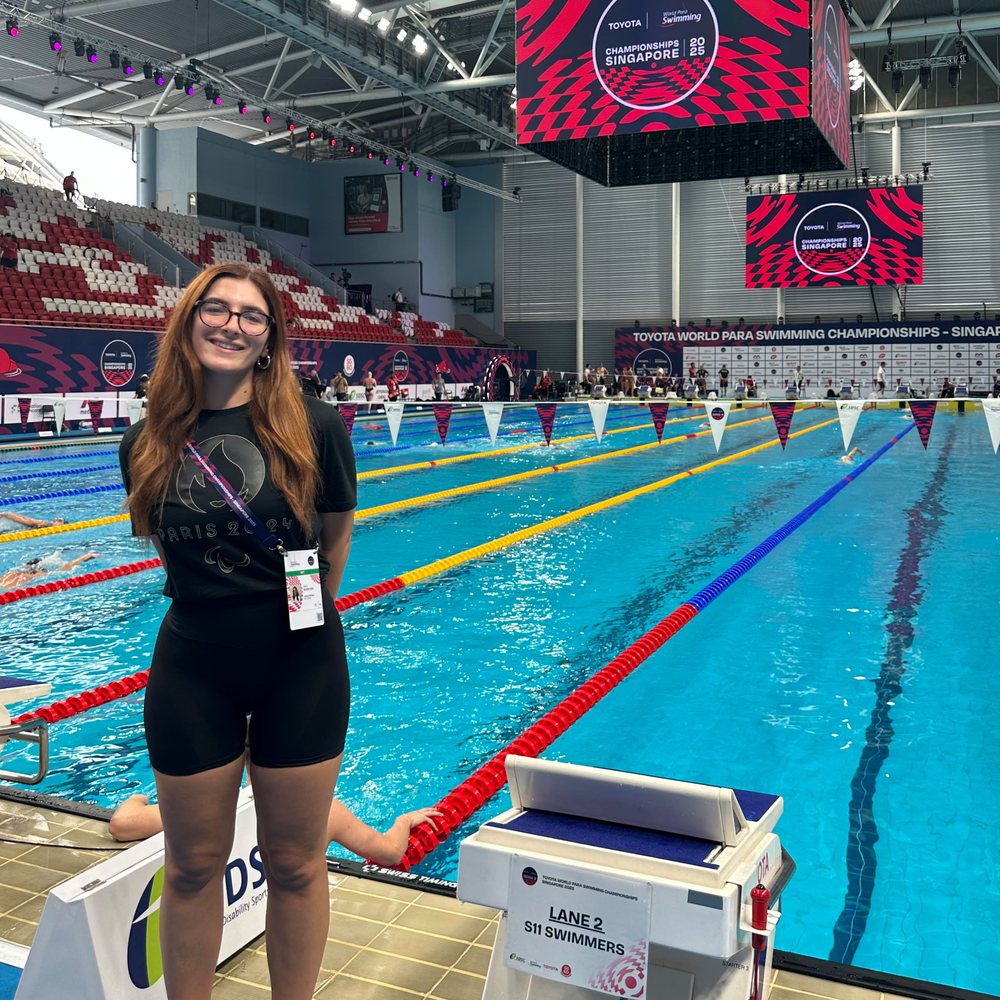
Sports health is my primary field. I serve as physiotherapist to Olympic swimmer Kuzey Tunçelli with the Turkish National Swimming Team and Fenerbahçe SK, and to Paralympic swimmer Sümeyye Boyacı with the Turkish Paralympic National Team; I was team physiotherapist for the South Africa Women's National Ice Hockey Team at the 2024 World Championship. I am also a former national athlete myself — two Turkish national swimming records, and national squads in both swimming and water polo — so I know what injury and coming back from it feel like from both sides.
The process follows the same structure for physiotherapy and psychology; the content adapts to your needs.
Fill in the appointment form or send an email: I listen to what you need and we decide together which service fits.
Physiotherapy: a 45–60 min physical assessment. Psychology: a 50 min intake session and history-taking.
A weekly plan built on your goals: in-clinic treatment, a home exercise programme and/or therapy sessions.
Regular re-testing, plan updates and guidance to prevent recurrence.
Sports health experience at national-team, federation and club level.
This section lists institutional and team collaborations. Client feedback may only be published with documented explicit consent and with privacy preserved.
The treatment space, equipment, and moments from working with teams.
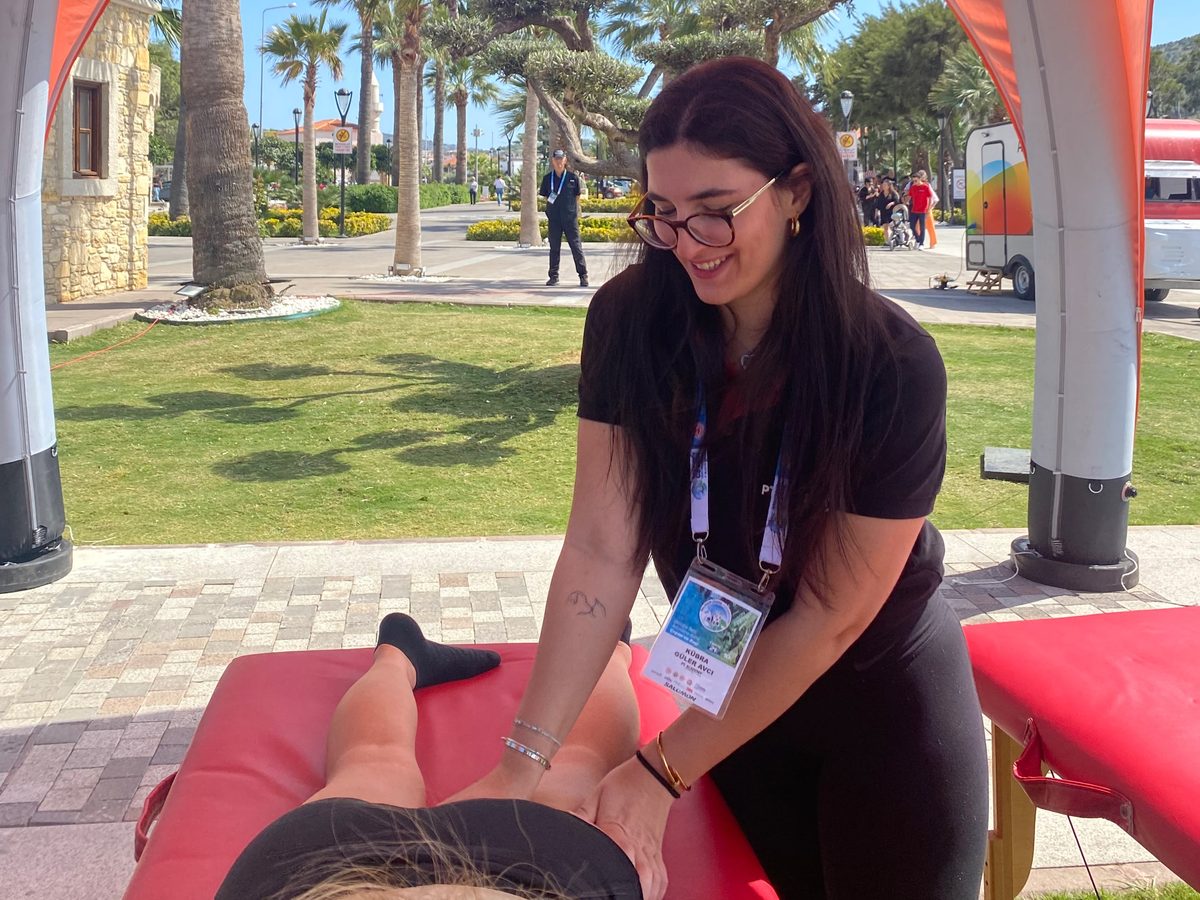
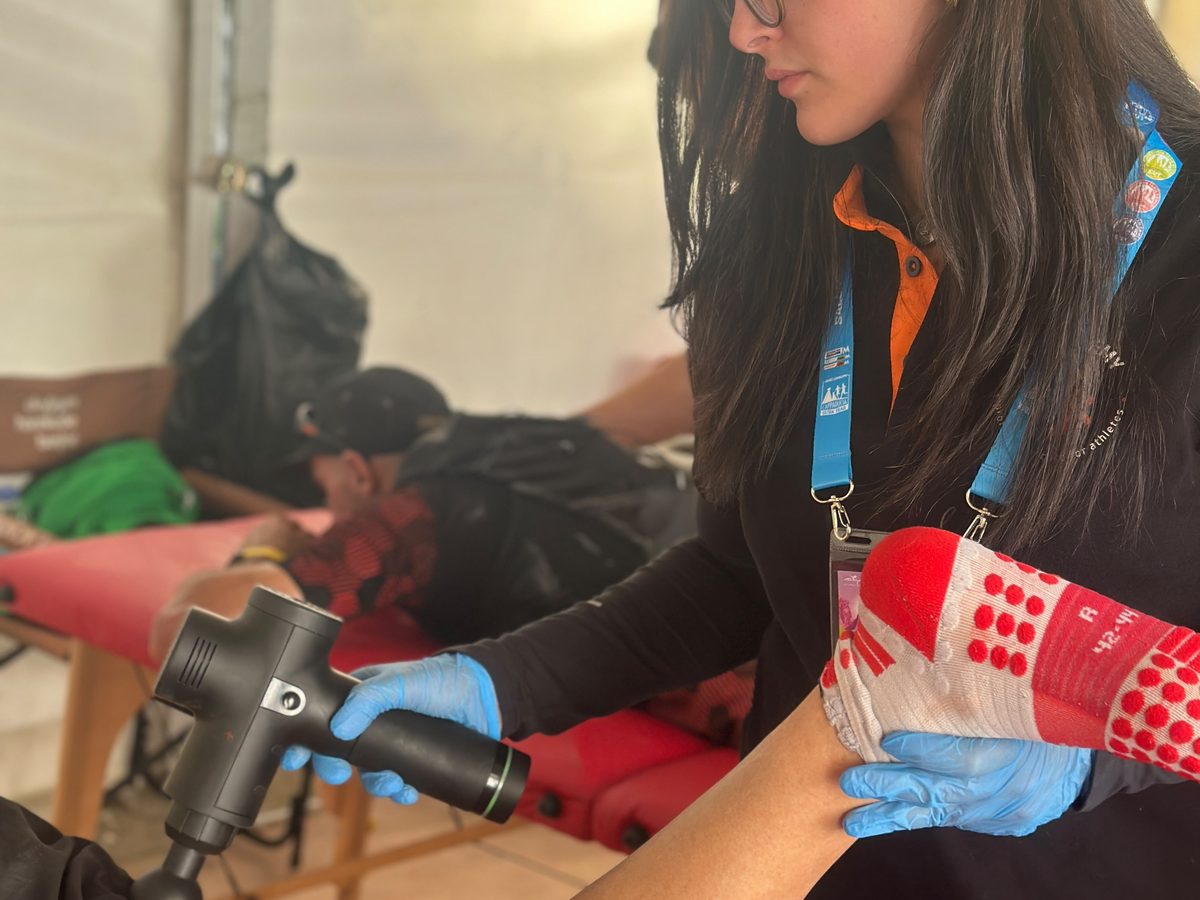
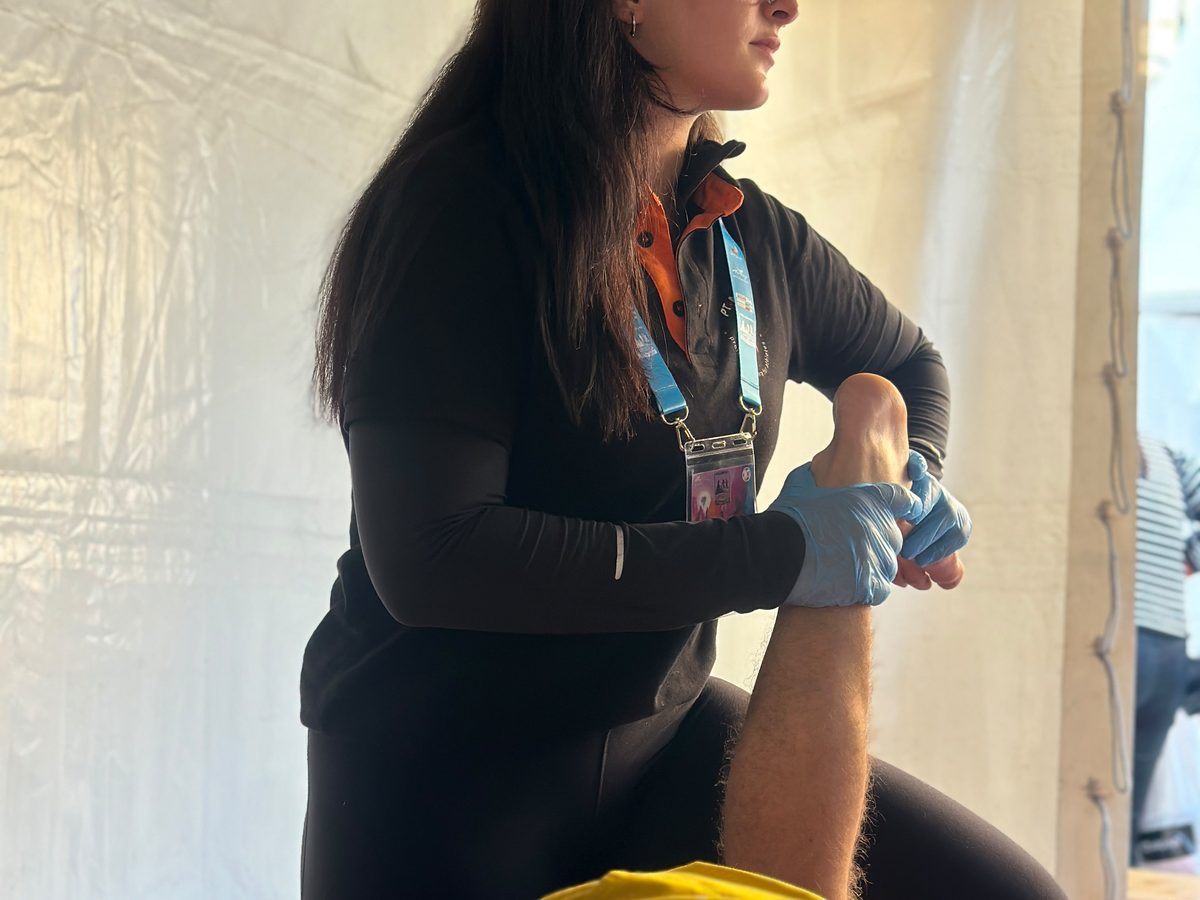
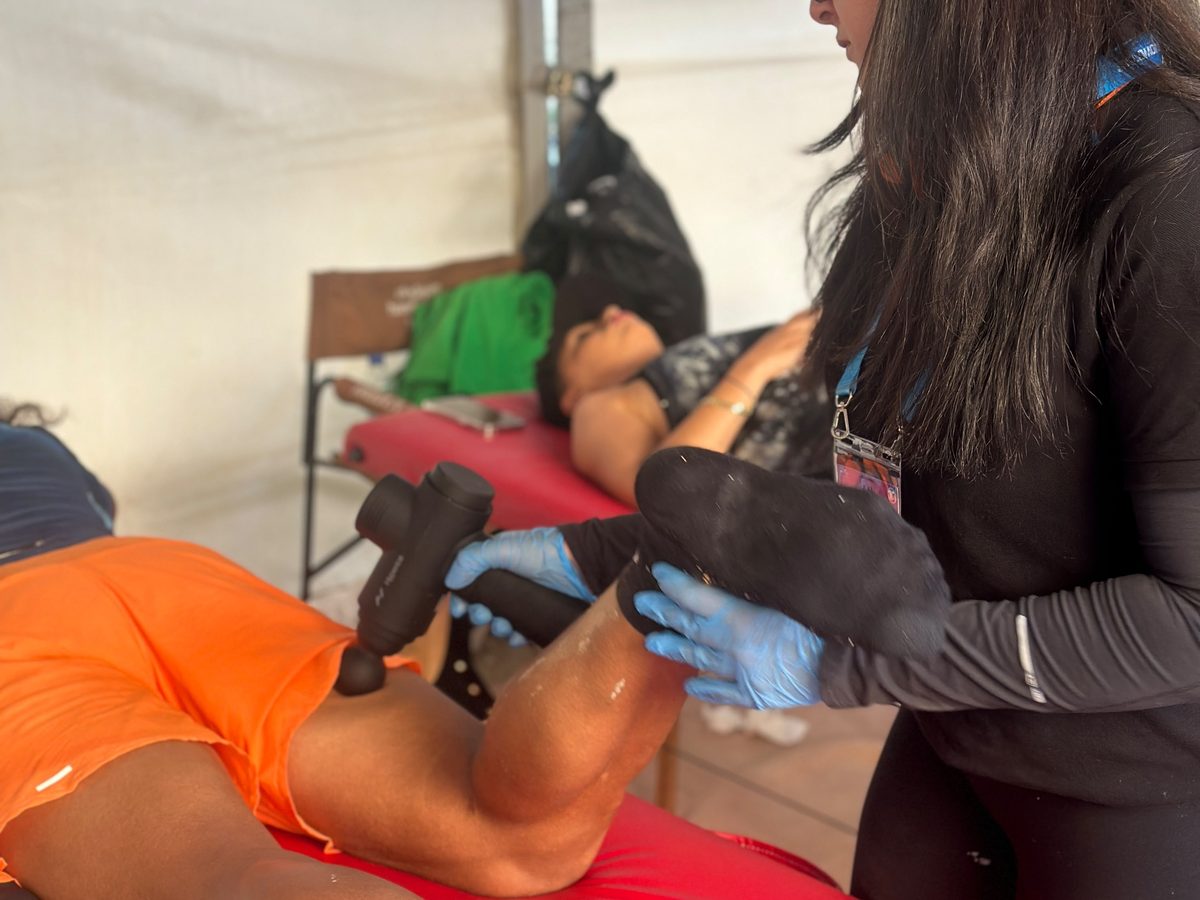
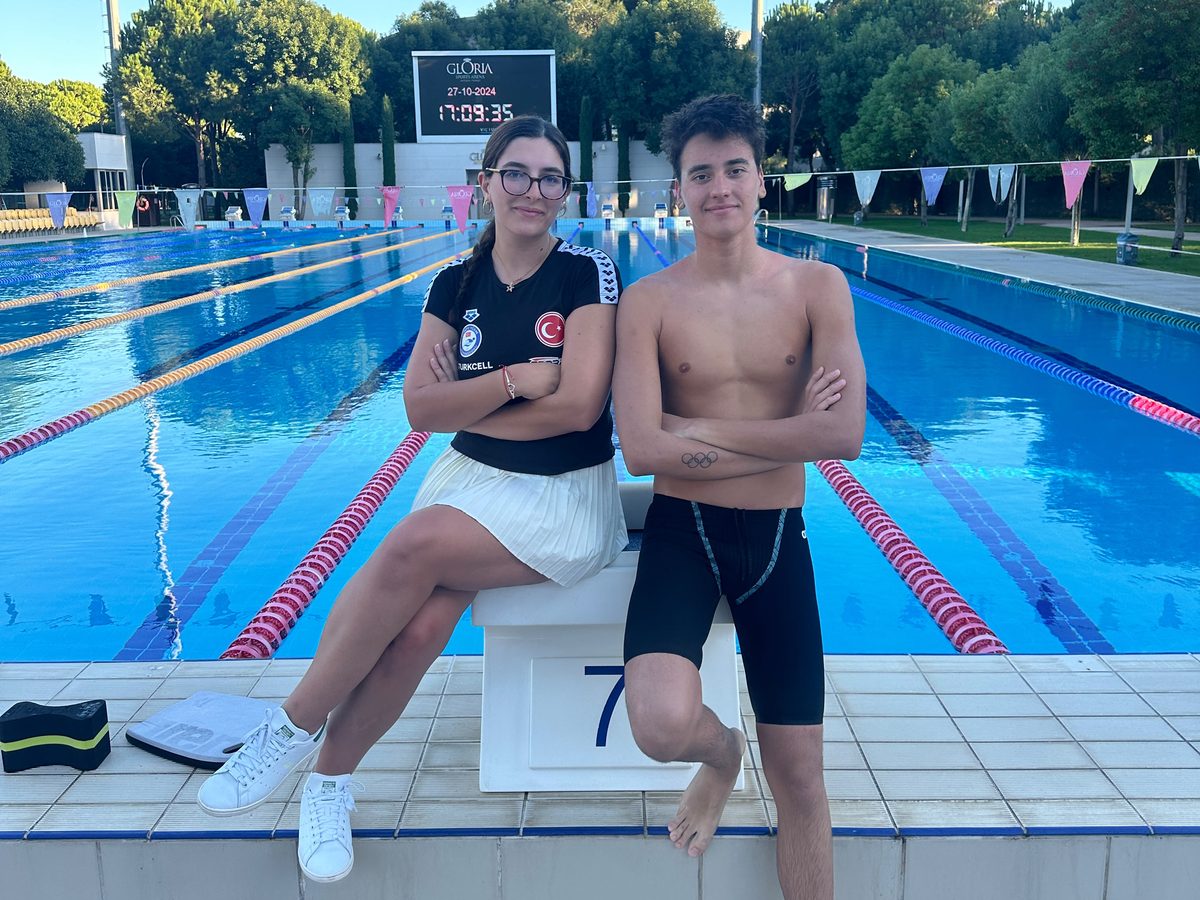
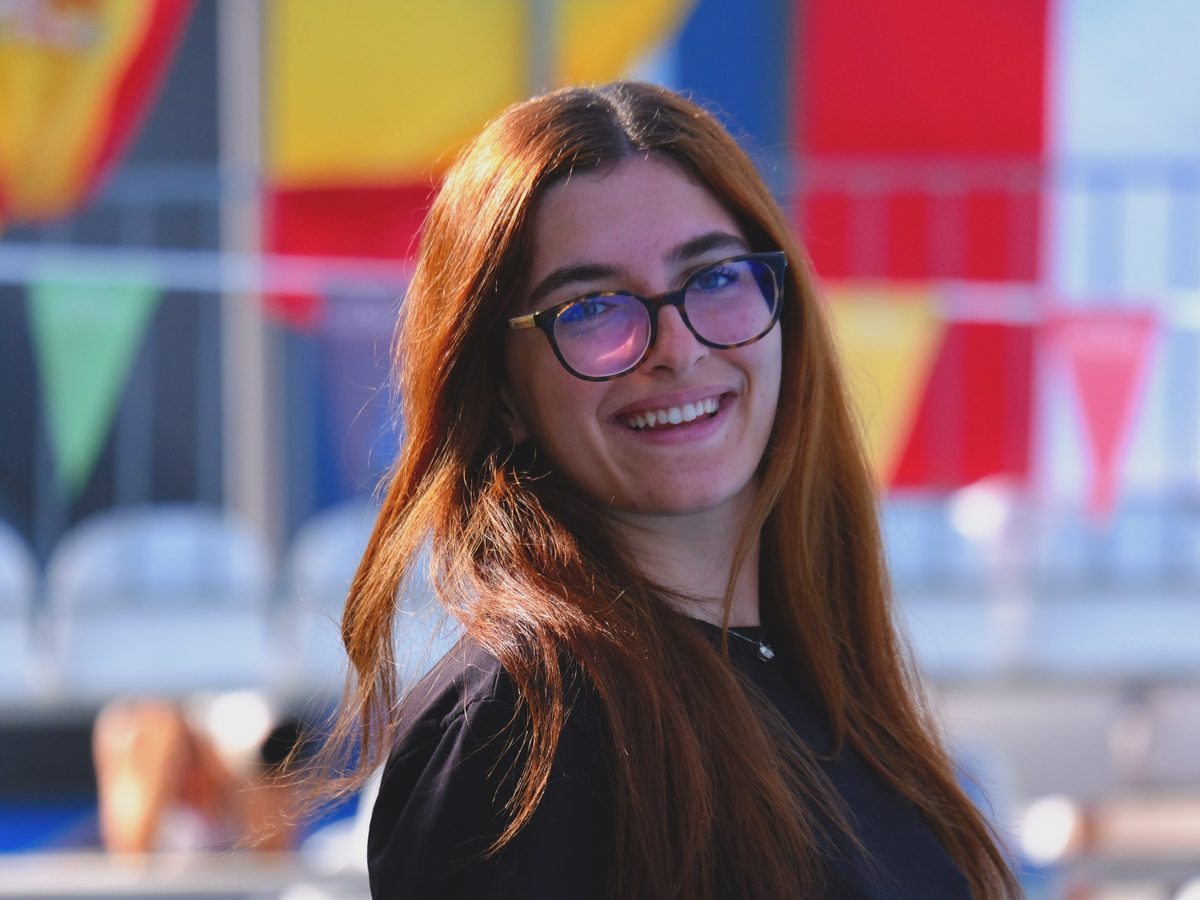
Written permission to publish has been obtained from the athletes and clients appearing in these photographs. Before-and-after treatment comparison images are not published, in line with regulation.
In Türkiye, physiotherapy is delivered within the framework of a physician's diagnosis and referral. Bring any reports or imaging you have to the first session; if you have none, I can refer you to an appropriate specialist after assessment.
For chronic pain and return-to-sport it is an advantage: working one plan from two angles saves time. It is not appropriate in every case — in the first session I clarify boundaries and the ethical framework, and refer you to a colleague where needed.
Physiotherapy: 45–60 min initial assessment, 40–50 min treatment sessions. Counselling sessions are 50 minutes.
Yes. All sessions are confidential under professional ethics and Turkish data protection law (KVKK). The legal exceptions to confidentiality (serious risk to self or others, court order) are explained clearly in the first session.
Counselling sessions are available online. Physiotherapy requires an in-person initial assessment; exercise follow-up can then continue online.
Payment is by cash or bank transfer. For current session and package information, use the appointment form or send an email.
Yes. Home sessions are available — a short exchange through the appointment form first is enough to check the area and availability. Hours can be arranged flexibly.
Book directly in the calendar, or send the form and I will call you back. Physiotherapy and psychology sessions are scheduled on separate calendars.
Other sessions
Follow-up Session50 min →Manual Therapy60 min →Clinical Pilates (1-to-1)60 min →Athlete Mentoring35 min →Exercise Programme Review30 min →Home Visit60 min →Booking is handled on Setmore and opens in a new tab.
Common questions, answered with examples from clinical practice.
In acute low back pain, staying still delays recovery. Here is what current guidelines recommend, and what to do in the first 72 hours.
Read article →
Beyond breathing techniques: what usually keeps the panic cycle going is what we do after the attack, not during it.
Read article →
"It doesn't hurt anymore" is not a criterion for returning to sport. Using tests rather than the calendar meaningfully lowers re-injury risk.
Read article →
When the nervous system becomes sensitised, pain can persist after tissue has healed. That does not mean the pain is “in your head”.
Read article →
Scapular control, thoracic mobility and training load — in swimmers, shoulder pain usually traces back to these three.
Read article →
Pre-race nerves are not a problem — they are part of preparation. The difficulty starts with how we interpret them.
Read article →Exercise clips, notes from the clinic and the pitch, and moments from return-to-sport journeys.